Loading...
Serving Fort Walton Beach, FL and surrounding areas. (850) 904-1051
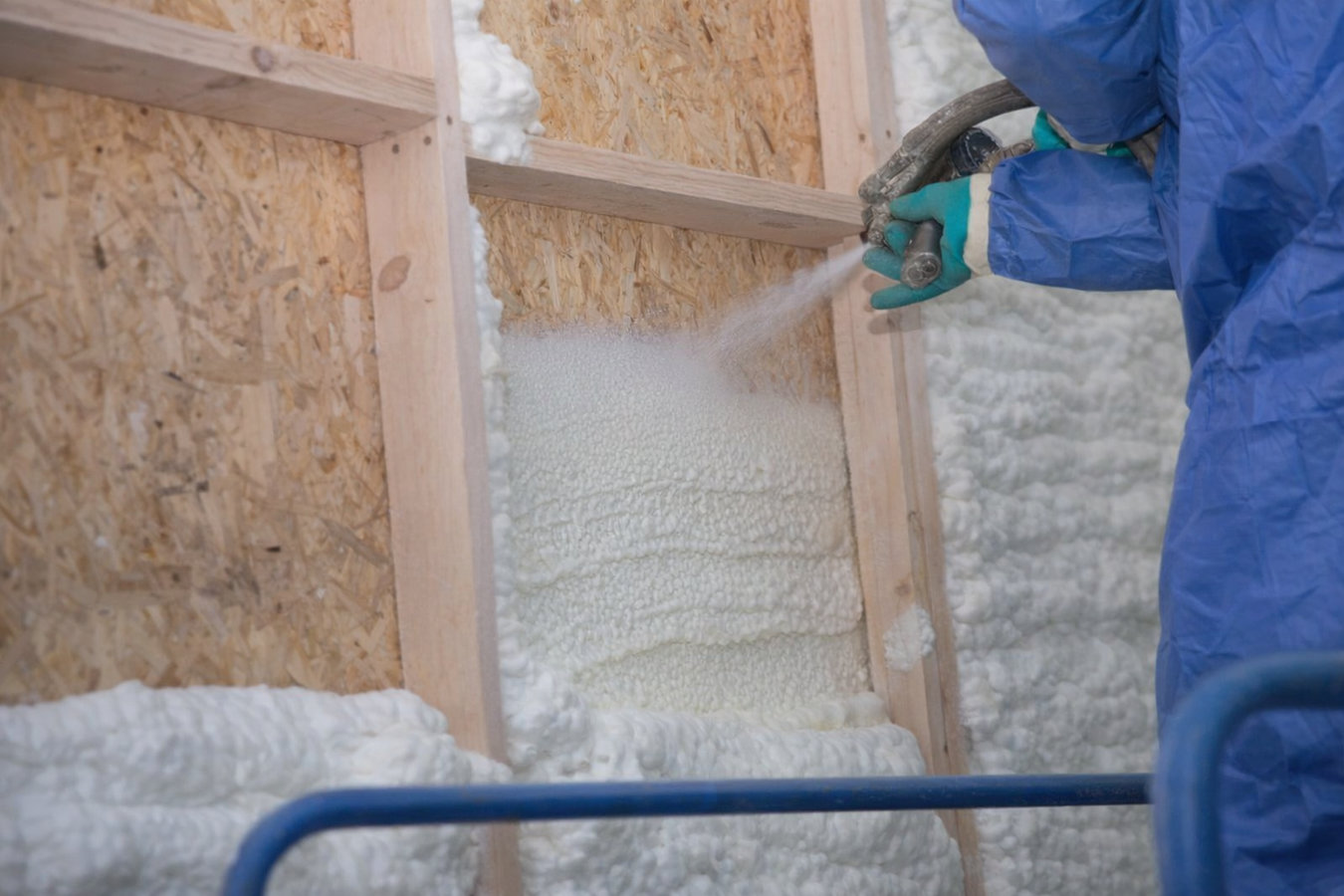
Your existing home can get better insulation without a major renovation. We blow new material into your attic so your AC works less and your home stays cooler all season.
Retrofit insulation in Fort Walton Beach means adding insulating material to a home that is already built - no tearing out walls, no major renovation. A crew blows new fiberglass or cellulose into your attic to fill gaps and bring your home up to a level that actually keeps up with Florida's heat. Most jobs on a standard single-family home are finished in a single day, and you can stay in the house the whole time.
A large portion of Fort Walton Beach homes were built in the 1960s through 1980s under energy standards that are far below what is recommended today. If your home is from that era and has never had an insulation upgrade, what is in the attic is almost certainly too thin, compressed from age, or partially missing. Pairing this work with attic air sealing - done before any new material goes in - is the combination that delivers the full benefit.
The attic is almost always the first area to address in a Florida home. Heat builds up in an under-insulated attic and radiates into your living space all day long, forcing your AC to run longer and work harder than it should.
If your FPL bill has been creeping up year over year during Fort Walton Beach's long cooling season - April through October - your home may be losing conditioned air faster than your AC can replace it. An under-insulated attic is one of the most common causes of this pattern and one of the easiest to fix.
Bedrooms or rooms directly under the roofline that feel stuffy and hard to cool, especially in the afternoon, are a strong sign that heat is radiating down from above. This is common in Fort Walton Beach homes with dark roofing materials that absorb intense summer sun.
If you look into your attic and can clearly see the wooden floor beams, your insulation is almost certainly too thin. Insulation that has been compressed or disturbed by pests will also look flat and matted rather than full. Either condition means you are getting far less protection than you should.
Fort Walton Beach homes from the 1960s, 70s, and 80s were built under much looser energy standards. If you recently bought an older home and the inspection was silent on insulation, or if you have owned it for years and cannot recall any upgrade work, it is very likely overdue for attention.
We start every retrofit insulation job with air sealing - foam and caulk around all the gaps in the attic floor before any new material goes in. Skipping that step is the most common way contractors cut corners in this region, and it means the new insulation cannot do its full job. We include air sealing as a named item in every written quote so you always know exactly what you are getting. If you want a broader look at your whole home's air barrier, our attic air sealing service covers that in full detail.
For homes needing insulation in more than just the attic, we also work on wall cavities and crawl spaces. If your walls have never been insulated or if your existing material has been compromised by moisture, dense-pack wall insulation is a natural companion project. Some Fort Walton Beach homeowners also benefit from switching existing attic areas to spray foam insulation for areas where airtight performance is the priority - we will explain the tradeoffs when we assess your home.
Best for most Fort Walton Beach homes - fiberglass or cellulose blown in after air sealing to reach the recommended depth for Florida's climate zone.
Suited to older homes where wall cavities have never been insulated or where existing material has been disturbed or degraded.
Appropriate for homes with a vented crawl space that is contributing to hot floors and higher cooling loads in the rooms above.
Recommended for specific high-leak areas - around HVAC chases, wall plates, and other penetrations where a rigid air barrier is more effective than blown-in material alone.
Fort Walton Beach's combination of summer heat and Gulf humidity means attic temperatures can climb well above 130 degrees on a summer afternoon. Your AC is fighting that heat load every day from April through October - nearly twice as long as in most of the country. Homes in neighborhoods near the original downtown, along Beal Parkway, and in established subdivisions built in the 1960s through 1980s often have minimal attic insulation by today's standards. Some have little to none at all. If your home has never had an upgrade, you have been paying that energy penalty on every single bill since you moved in. Homeowners we serve in Destin and Mary Esther deal with the same conditions and see the same improvement after this work is done.
Living close to the Gulf and Santa Rosa Sound also means coastal air carries more moisture than inland Florida. If insulation is installed without properly sealing air gaps first, humid outdoor air can get trapped inside wall cavities or the attic and create conditions for mold and wood rot. This is why air sealing before insulating is not optional here - it is the step that protects your home from the specific risks of coastal living. The Building Science Corporation has documented how coastal humidity requires a different installation approach than inland climates, and we follow those principles on every job.
When you reach out, we ask a few quick questions - home size, age, and what is prompting the call. We reply within one business day and schedule an in-home assessment before giving you any price.
We inspect your attic - and crawl space or walls if needed - measure what is already there, and check for air gaps, moisture, or pest activity. This visit typically takes 30 to 60 minutes. We walk you through what we found and explain your options before leaving.
You receive a written quote that spells out exactly what will be done, what materials will be used, and the total cost. Air sealing is listed as a separate line item - not bundled into a lump sum where you cannot tell if it is included.
The crew sets up equipment outside, seals gaps and penetrations first, then blows in new material. A typical attic job is done in two to four hours. Before leaving, they provide documentation of what was installed and to what depth - useful for tax credits and for your records if you sell.
Free in-home assessment, written quote, no pressure. We respond within one business day.
(850) 904-1051We seal every gap and penetration before blowing in new material - every time. It is listed as a line item in our quote so you can see it. Contractors who skip this step are leaving your new insulation unable to perform the way it should.
Fort Walton Beach homes face heat and humidity combinations that most contractors inland never deal with. We know how to install insulation in this environment without creating moisture traps - a mistake that can lead to mold and wood damage years down the road.
We provide written documentation of materials installed and depth achieved before we leave. That record matters if you plan to claim a federal insulation tax credit or if you sell your home - buyers and appraisers increasingly ask for it.
We assess your attic and explain what we find before you agree to anything. If your home needs something beyond what we initially discussed, we tell you upfront. The North American Insulation Manufacturers Association sets industry quality standards, and our work is consistent with those benchmarks.
The ENERGY STAR Seal and Insulate program identifies attic insulation as one of the most impactful upgrades a homeowner can make. In Fort Walton Beach's climate, that impact is especially pronounced - and we are here to deliver it correctly.
A closed-cell spray foam option for specific attic areas where a rigid, airtight seal outperforms blown-in material.
Learn MoreBlown-in or batt insulation added to existing wall cavities to stop heat from entering through your home's exterior walls.
Learn MoreCall Fort Walton Beach Insulation today for a free estimate. Fort Walton Beach summers are long - getting insulated now means lower bills from the very first hot month.