Loading...
Serving Fort Walton Beach, FL and surrounding areas. (850) 904-1051
Hot Gulf air pours through attic gaps and forces your AC to run constantly. We find and seal every opening so your home stays cool and your bills stay down.
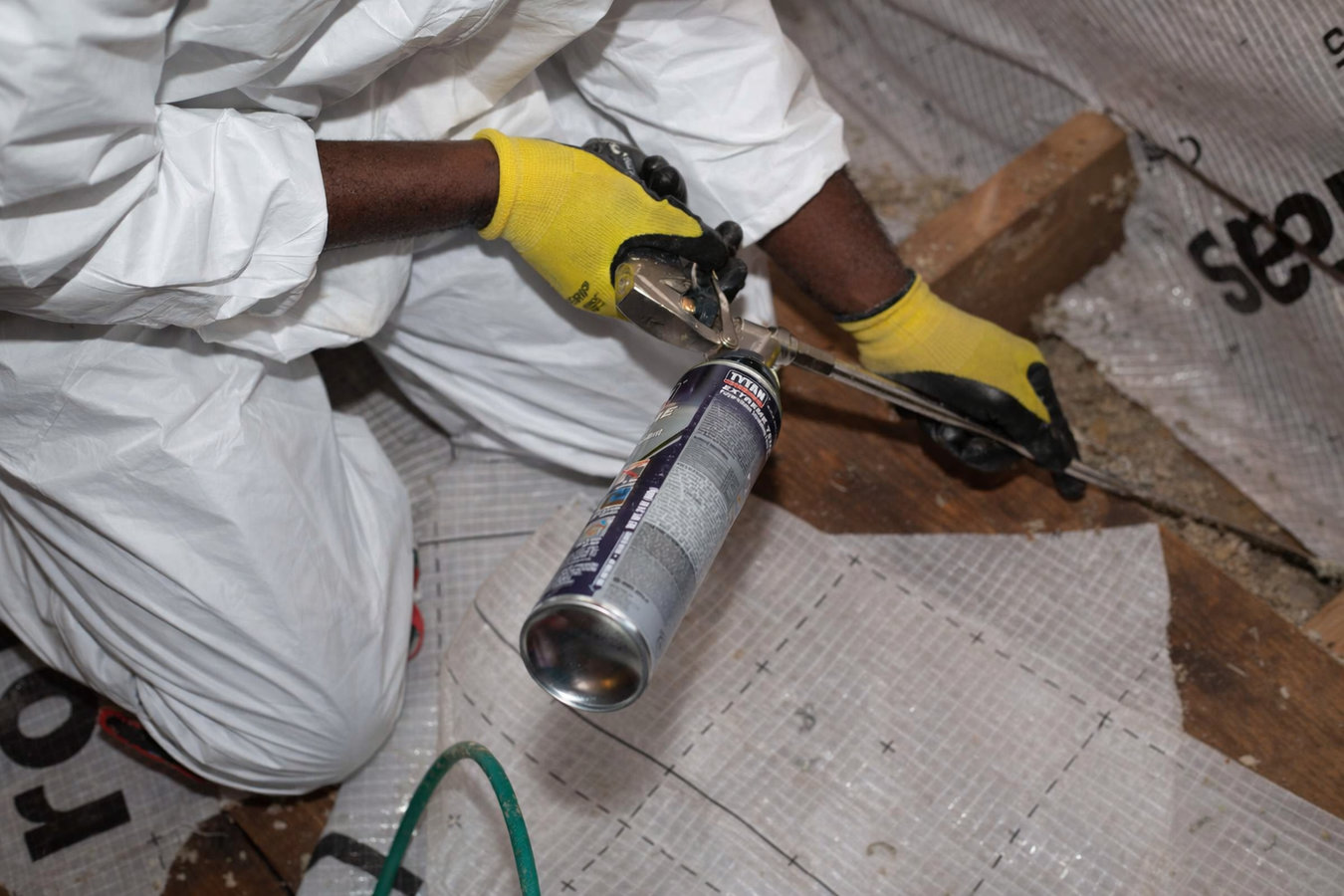
Attic air sealing in Fort Walton Beach means finding and plugging every gap, crack, and opening where conditioned air escapes into the attic or where hot attic air sneaks into your living space. Using foam, caulk, or tape, a contractor closes these openings at the attic floor level. Most jobs on a standard single-story home are completed in one visit, taking three to six hours.
Many Fort Walton Beach homeowners deal with rooms that never cool down, no matter what the thermostat says. That is not an AC problem - it is an air problem. Once those gaps are sealed, your system does not have to fight the attic anymore. If you also have thin or degraded insulation, pairing this work with retrofit insulation gives you the full benefit.
Insulation alone cannot stop air from flowing through gaps. Sealing first, then insulating, is the order that actually works.
If your FPL or Gulf Power bill creeps up year over year and nothing in your habits has changed, your attic is a likely culprit. In Fort Walton Beach's climate, an unsealed attic can add hundreds of dollars annually to your cooling costs. If your bill feels out of proportion to your home size, that is a strong signal.
If certain rooms - especially those directly under the roofline - always feel warmer than the rest of the house, hot air is almost certainly leaking down from the attic. This is one of the most common complaints from Fort Walton Beach homeowners and is nearly always a gap problem, not an AC problem.
Check the edges of your attic access panel with a flashlight. If you see daylight around the frame or feel warm air pushing down when you open it, that hatch alone is a significant leak. It is one of the easiest things to spot and one of the first things a good contractor will seal.
Fort Walton Beach homes built before the late 1990s were constructed under older standards that did not require careful air sealing. Gaps around plumbing, wiring, and recessed lights were simply left open. Age alone is a reasonable trigger to have a contractor assess what is happening above your ceiling.
We seal every penetration in your attic floor: plumbing pipes, electrical wires, recessed light housings, ductwork boots, wall top plates, and the attic hatch itself. The materials we use - expanding foam and caulk - are the same ones recommended by the U.S. Department of Energy for this type of work. If you have a broader need for whole-house air sealing services, we can assess your entire home envelope in the same visit.
For homes where the attic insulation is also thin or damaged, we recommend combining this work with new retrofit insulation - blown-in fiberglass or cellulose applied after sealing is complete. Doing both together in a single visit is the most efficient way to close every path hot air uses to enter your home.
Best for homeowners who want to stop heat transfer at the attic floor before adding or refreshing insulation.
Ideal for homes with can lights in the ceiling, which are among the most common and overlooked sources of attic air leakage.
Suits homeowners with an attic access point that is visibly drafty or noticeably warm to the touch.
Recommended for homes built before 1995 that have never had any air sealing work done - we address every gap from one end of the attic to the other.
Fort Walton Beach sits in Florida's Panhandle, where summer heat index values regularly exceed 100 degrees and humidity stays high from April through October. Your air conditioner runs almost constantly for most of the year, which means every unsealed attic gap is costing you money every single day. A significant portion of the local housing stock was built in the 1960s through 1980s, before energy codes required contractors to think carefully about air sealing. If your home is from that era and has never had this work done, you have very likely been paying for it on every electric bill since you moved in. Homeowners in Navarre and Niceville deal with the same conditions and get the same results from this work.
Fort Walton Beach's proximity to the Gulf also means salt-laden, moisture-heavy air works its way into homes over time. Older foam or caulk seals can break down and stop doing their job, especially in homes close to the water. If your home was sealed at some point in the past, it is worth having a contractor check whether that work is still intact. Scheduling this in late winter or early spring - before the cooling season peaks and before hurricane season begins - gives you the most benefit from the work and the widest choice of appointment times.
When you reach out, we will ask a few basic questions: the age of your home, whether insulation work has been done before, and what prompted the call. We reply within one business day and can typically schedule a visit within a few days.
Before any sealing begins, we go into the attic and take stock of what is there. We check existing insulation depth, locate every gap and penetration, and look for any ventilation or moisture issues that must be addressed first. We walk you through what we found before quoting a price.
You receive a written quote that lists exactly what will be sealed, what materials will be used, and the total cost. We never quote verbally only. If a permit is required for your scope, we let you know upfront and handle the paperwork.
The crew works entirely above your ceiling through the attic hatch. Foam and caulk go around every gap found in the assessment. When finished, we photograph the work and walk you through what was sealed before we leave, so you know exactly what was done.
Free estimates, written quotes, no-pressure process. We reply within one business day.
(850) 904-1051We understand how Gulf humidity and salt air affect homes in this region over time. We assess ventilation before sealing and make sure no work we do traps moisture or compromises airflow - a step that separates informed contractors from those who skip it.
Air sealing first is the correct order of operations, and we never skip it to save time. Piling insulation on top of unsealed gaps is one of the most common ways contractors cut corners in this region. Our quotes always include air sealing as a named line item.
You receive a written estimate before any work begins. It lists exactly what will be done, what materials will be used, and the total price. The U.S. Department of Energy recommends homeowners request written estimates for this type of work - we make that easy.
We photograph conditions before and after so you can see what was done without going into the attic yourself. That documentation also matters if you plan to claim a federal energy tax credit or sell your home in the future. We leave you with a clear record of the work.
Fort Walton Beach homeowners deserve a contractor who knows this climate and does the work correctly the first time. The U.S. Department of Energy is clear that air sealing is one of the highest-return home improvements you can make - and we are here to deliver that return.
Add blown-in insulation to your existing attic after sealing for a complete energy upgrade in a single project.
Learn MoreComprehensive air sealing covering your crawl space, walls, and other areas beyond the attic floor.
Learn MoreCall Fort Walton Beach Insulation today for a free estimate. Fort Walton Beach summers are long - the sooner you seal, the sooner you save.